
Research
Directed evolution for new-to-nature catalysts
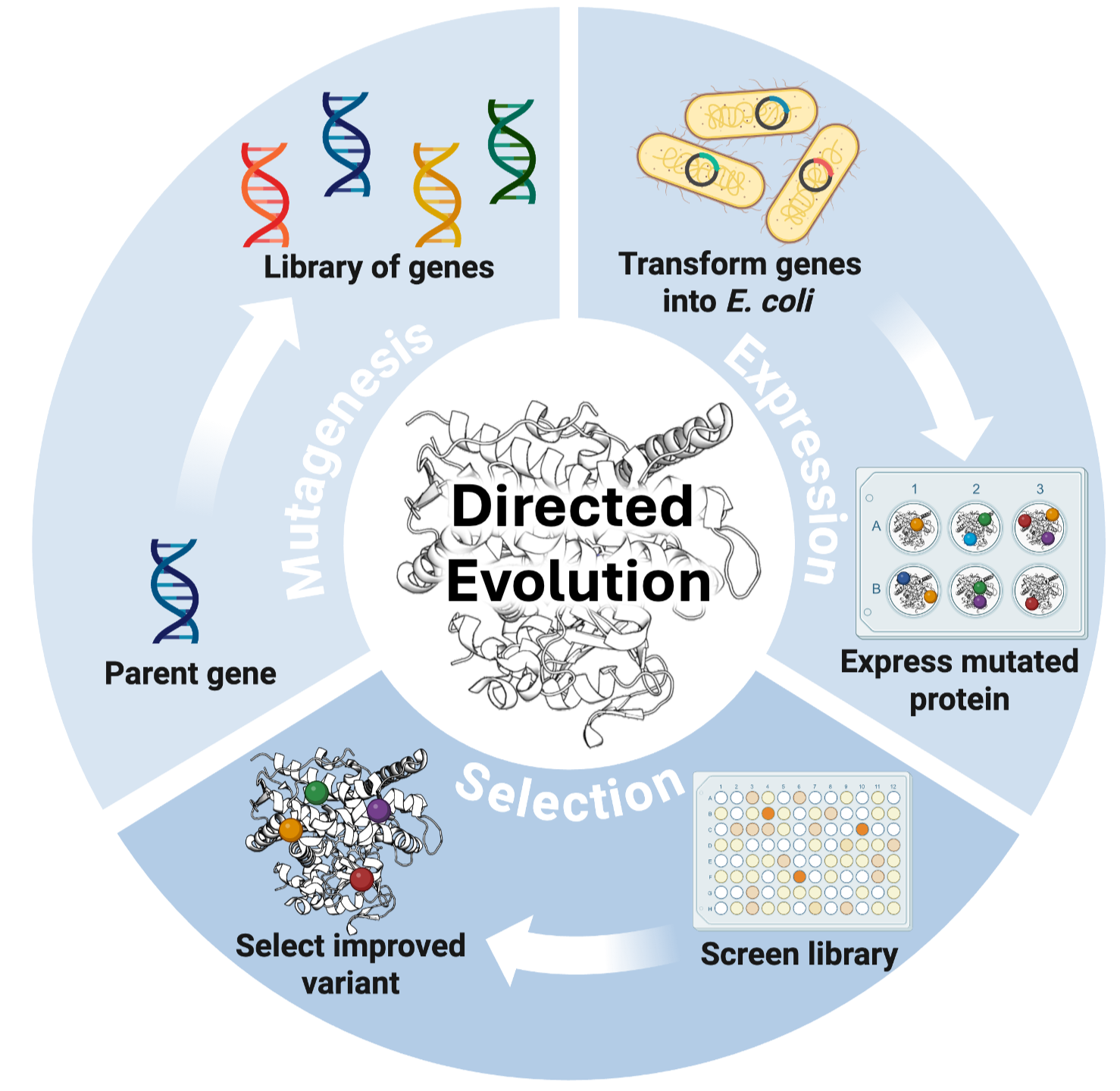
Directed evolution is the central engine of our research. We iteratively mutate, screen, and select enzymes to discover catalysts capable of performing abiological transformations with high activity and selectivity. Through this approach, we tailor enzyme active sites to stabilize new transition states and forge new-to-nature bonds, enabling biocatalytic strategies for modern synthetic challenges.
PLP-dependent enzymes
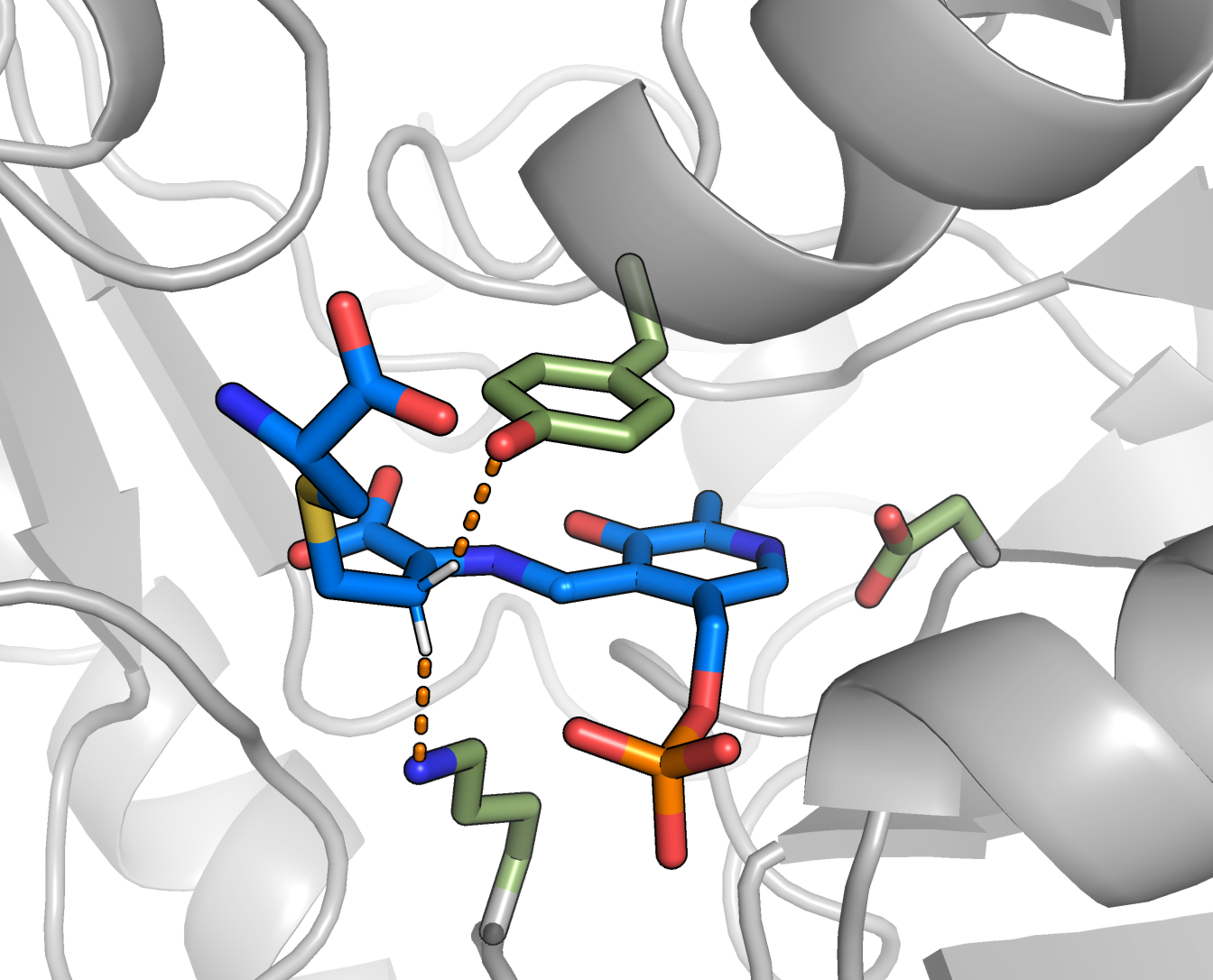
Enzymes that utilize cofactors are particularly powerful biocatalysts because cofactors expand the chemical reactivity available to proteins. One major focus of the lab is engineering enzymes that use the cofactor pyridoxal 5’-phosphate (PLP). Through directed evolution, these enzymes can produce a wide variety of noncanonical amino acids that can be incorporated into peptides and proteins, enabling new tools for chemical biology, biocatalysis, and therapeutic development.
Artificial metalloenzymes
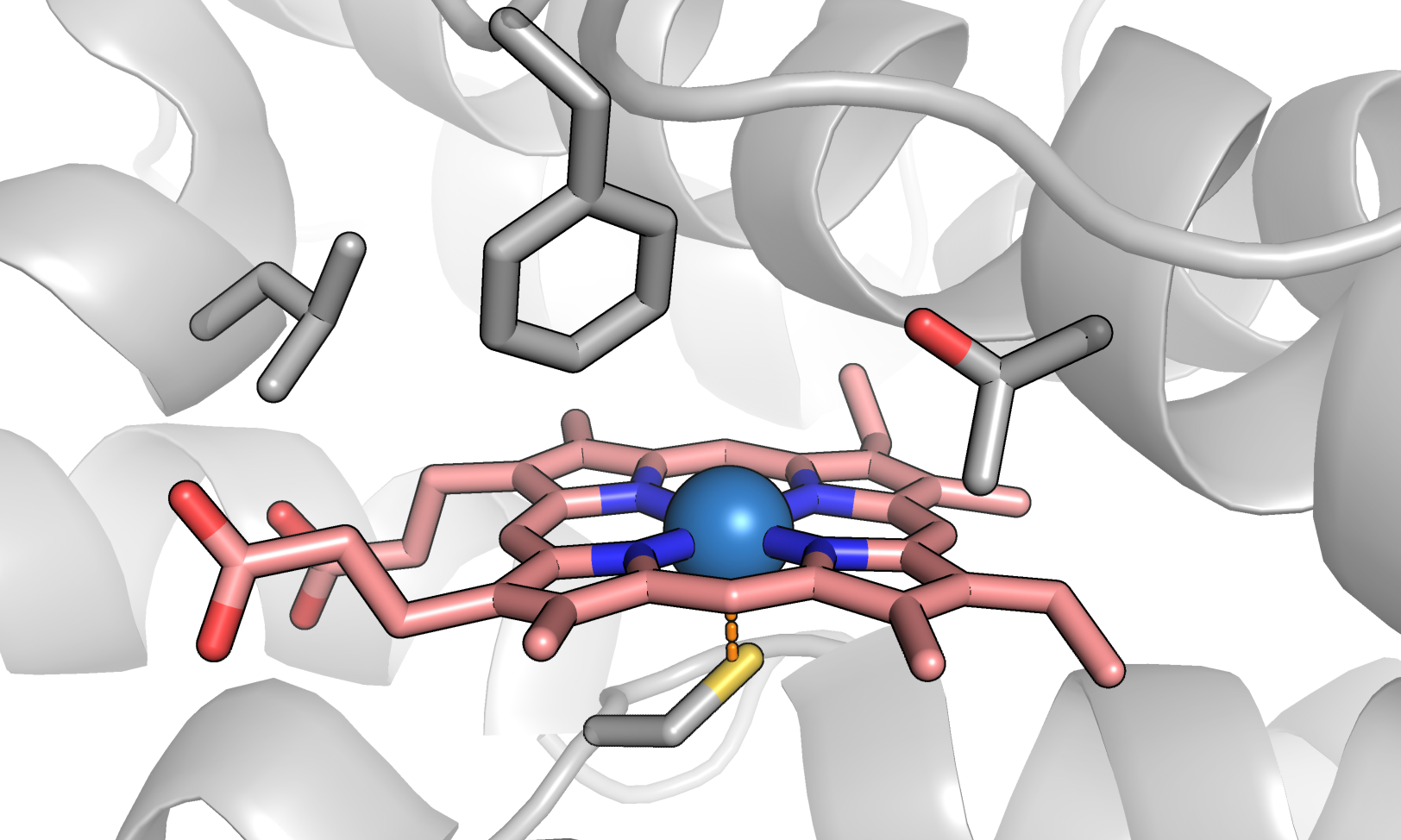
Altering the enzyme’s cofactor is another powerful strategy to generate novel biocatalysts, such as substituting the metal center in metalloenzymes. In our lab, we replace the native iron cofactor in cytochrome P450 enzymes with cobalt, creating artificial metalloenzymes with altered reactivity. By introducing a non-native metal and tuning their protein environment, we can access reactivity that extends beyond natural enzyme chemistry.
Beyond developing new enzymatic reactivity and expanding the synthetic utility of biocatalysts, our research is driven by a fundamental interest in understanding enzyme mechanism. We employ a range of biophysical and spectroscopic techniques—including UV–Vis spectroscopy, enzyme kinetics, X-ray crystallography, and electron paramagnetic resonance (EPR) spectroscopy—to elucidate catalytic mechanisms and determine how protein engineering reshapes enzyme structure, function, and reactivity.
Mechanistic understanding of engineered enzymes
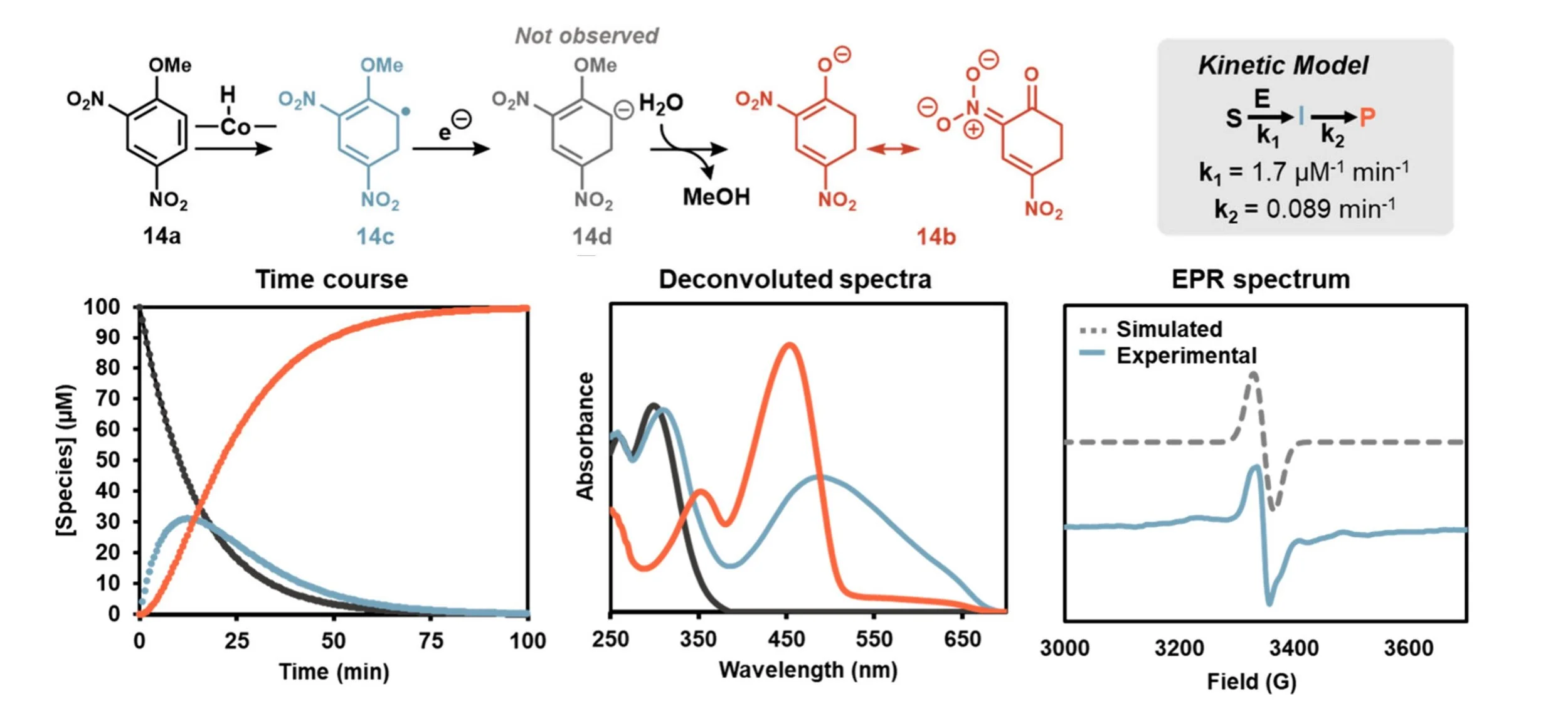
Carly L. Masonheimer, Michael J. Rourke, Reece S. Gardner, Ryan L. Hall, Lydia J. Perkins, Thomas C. Brunold, and Andrew R. Buller Journal of the American Chemical Society 2026148 (5), 5443-5452
Methodology development
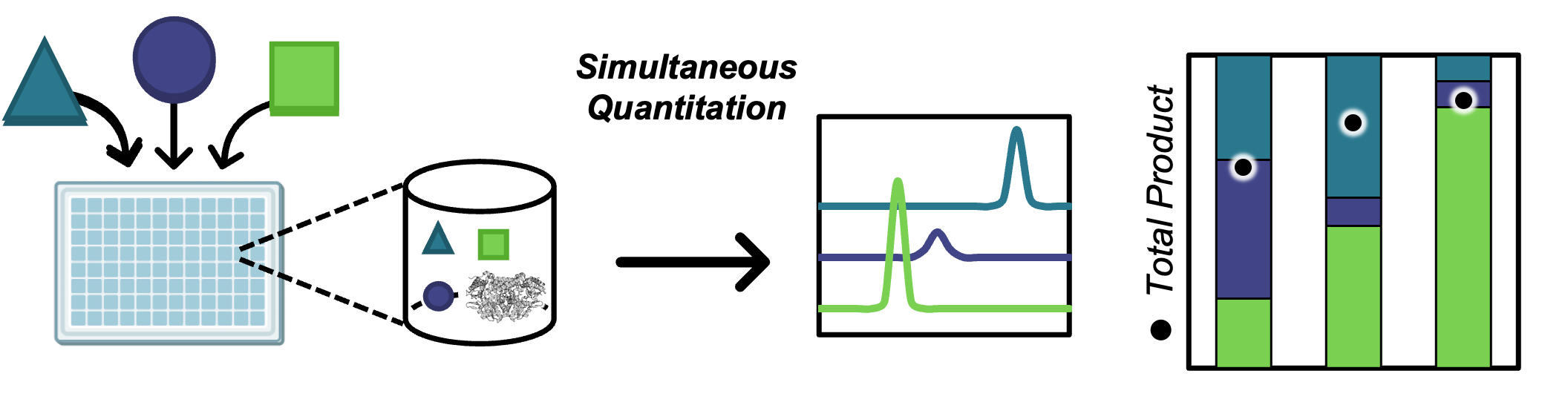
Our lab is committed to advancing the methodologies that underpin directed evolution. A key challenge in engineering biocatalysts is maintaining substrate promiscuity while improving activity or selectivity toward a desired transformation. To address this, we developed Substrate Multiplexed Screening (SUMS), a high-throughput screening strategy in which multiple substrates compete simultaneously for the enzyme active site, generating distinct products that enable substrate scope to be evaluated in a single assay. This approach facilitates the identification of enzyme variants with broad substrate tolerance throughout a directed evolution campaign.
H. Weilbaker, M. E. Campbell, P. M. Higgins, and and A. R. Buller, Angewandte Chemie International Edition ((2026): e00007.
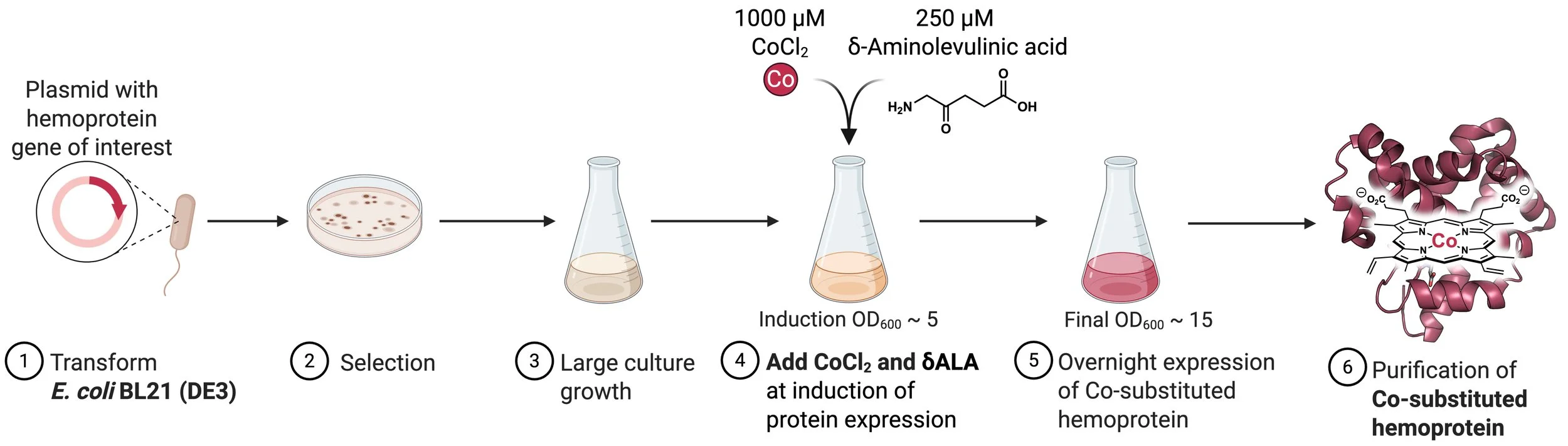
Rodemeier, M. E.; Holsinger, O. P.; Buller, A. R. In Methods in Enzymology; Academic Press, 2025.
We also explore the use of metal substitution as a complementary strategy to accelerate enzyme engineering. Our group developed a simple and efficient method for the biosynthesis and incorporation of cobalt protoporphyrin IX (CoPPIX) into hemoproteins using the widely employed Escherichia coli strain BL21(DE3). This protocol enables the rapid production of cobalt-substituted metalloproteins, providing new opportunities to probe enzyme mechanism and access reactivity beyond that of native iron-containing enzymes.

Moving towards a sustainable future
Biocatalysis is transforming the way chemicals and pharmaceuticals are made by enabling more efficient, selective, and sustainable synthetic routes. As investment in enzyme engineering continues to grow across industry, our lab collaborates closely with academic and industrial partners to develop the next generation of biocatalysts and the scientists who will engineer them.